Infographic War Map Pointer Review
First Impressions of the Design
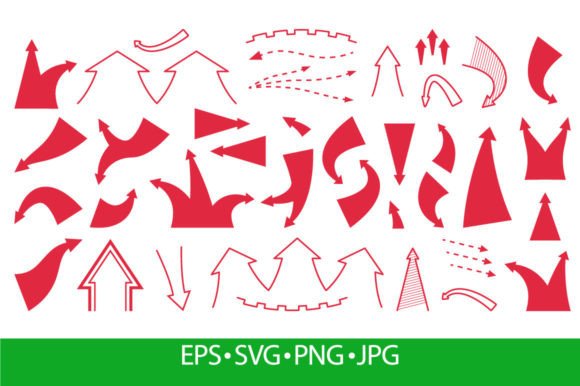
The Infographic War Map Pointer immediately conveys a sense of strategic intent. Its flat, simple style and abstract stripes create a modern, minimalist aesthetic that feels both professional and versatile. The attack arrow icons are clean, with clear direction symbols that suggest movement and purpose. This design is ideal for embroidery projects that require a bold, visual statement without overwhelming detail.
Best Fit for Embroidery Projects
This design naturally suits custom apparel, such as sweatshirts, t-shirts, and tote bags. It also works well on baby items, like onesies or blankets, where a subtle yet meaningful graphic can add character. The vector format ensures scalability, making it suitable for both small and large embroidery projects. Whether you're creating an embroidered patch or a decorative pillow cover, the Infographic War Map Pointer offers a strong visual presence that can elevate any handmade product.
Real-Life Embroidery Use Cases
When considering the Infographic War Map Pointer for real-life embroidery, it's important to think about how it will translate onto fabric. The design’s simplicity makes it adaptable to various embroidery techniques, including satin stitch and fill stitch. However, its effectiveness depends on the fabric type and the project’s scale. For instance, on a tote bag, the design would stand out clearly, while on a cap, it might require careful placement to avoid distortion.
Considerations for Different Fabrics
- Textured fabrics: The design may not show up as clearly on thick or rough textures. A smooth fabric like cotton or polyester is preferable.
- Thin or stretchy fabrics: These can cause the design to pucker or lose definition. Using the right stabilizer is crucial here.
- Dark fabrics: The design’s contrast should be tested against dark backgrounds to ensure visibility and clarity.
Where to Use with Caution
The Infographic War Map Pointer is not ideal for every embroidery scenario. On small hoop sizes, the design may appear too large or compressed. Similarly, on curved surfaces like caps, the design’s shape could be distorted if not properly adjusted. Tiny lettering or intricate details may not hold up well in dense stitch areas, so it's best to avoid using this design for projects that require high precision or frequent washing.
Impact on Visual Appeal and Product Value
The Infographic War Map Pointer adds a unique touch to any embroidered item. Its clean lines and directional elements make it eye-catching and memorable. When used effectively, it enhances the visual appeal of custom apparel, personalized gifts, and commercial embroidery projects. Customers are more likely to notice and appreciate a design that stands out without being overly complex.
Building Customer Trust and Brand Consistency
For small shop products and Etsy listings, the Infographic War Map Pointer can help establish a consistent brand identity. Its professional look aligns well with boutique branding and craft fair products. When used on holiday gifts or wedding gifts, it adds a thoughtful, creative element that resonates with buyers. The design’s versatility also makes it a valuable addition to a digital product library for embroidery file sellers.
Practical Designer Notes
Before using the Infographic War Map Pointer in your next embroidery project, take the following steps:
- Test the design on scrap fabric to see how it looks in different thread colors.
- Check the stitch density to ensure it doesn’t become too crowded or lose detail.
- Confirm the correct hoop size for your machine to avoid scaling issues.
- Inspect small details and corners to ensure they remain sharp after stitching.
- Use proper stabilizer to prevent puckering, especially on delicate or stretchy fabrics.
Final Thoughts on the Design
The Infographic War Map Pointer is a strong choice for embroidery designers looking for a bold, directional graphic. It works well on a variety of items, from tote bags to baby clothes, and can enhance the professionalism of any handmade product. However, its success depends on proper execution, including testing, stabilizer use, and attention to fabric type. As with any machine embroidery design, understanding its limitations and strengths is key to achieving the best results.