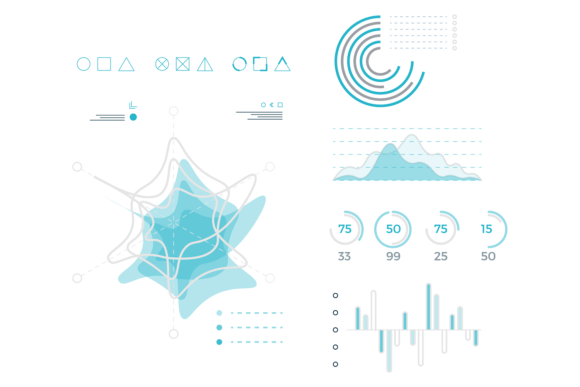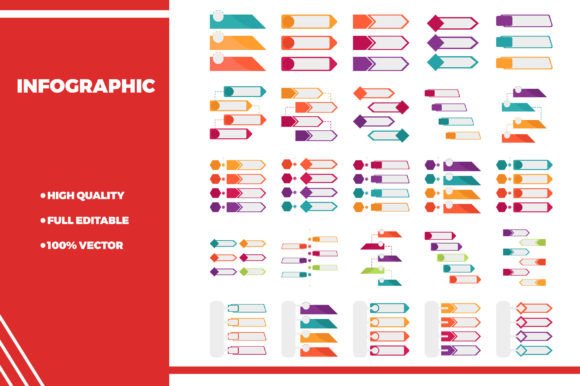
Infographic Illustration for Graphics and Illustrations
As a brand designer, I always look for graphic design assets that can elevate a small business’s visual identity without overwhelming it. The Infographic Illustration caught my attention with its clean, fresh, and easy-to-edit style. It feels like a versatile tool that can adapt to a variety of brand personalities, from playful and modern to elegant and professional.
First Impressions: A Fresh and Editable Visual Language
The Infographic Illustration exudes a friendly, approachable vibe. Its simple lines and minimal details suggest a brand that values clarity and transparency. This makes it ideal for local businesses looking to communicate authenticity—whether it's a handmade soap shop, a boutique coffee house, or a seasonal product campaign. The design feels modern but not overly complex, which is perfect for small business branding where simplicity often speaks volumes.
One of the standout features is how easy it is to edit. Whether you're adjusting colors to match your brand palette or tweaking elements for different use cases, the Infographic Illustration offers flexibility. This makes it a valuable addition to any creative marketplace resource, especially for designers working on product labels, packaging design, or social media graphics.
Real-World Applications in Local Business Design
I recently used the Infographic Illustration for a client—a local bakery looking to refresh their packaging and marketing visuals. The illustration worked well as a decorative element on product boxes, helping to create a cohesive brand identity across multiple touchpoints. It also served as a strong hero graphic for their website banners and social media posts, reinforcing their brand message without distracting from the main content.
This graphic design asset can be used in various ways:
- Logo design: As a subtle accent or background element
- Product labels: To add visual interest without cluttering the design
- Packaging design: For accents on boxes, bags, or tags
- Social media graphics: As a backdrop or overlay for promotional posts
- Printable design: For thank-you cards, stickers, or event flyers
It also works well in editorial design, such as menus, price lists, and promotional ads. The key is to use it strategically so it enhances the overall visual hierarchy without competing with essential information.
Supporting Business Presentation and Brand Trust
Infographic Illustration can make a big difference in how a small business is perceived. When used correctly, it helps build a stronger first impression, improves product recognition, and creates a more consistent brand identity. This is especially important for handmade businesses or local shops that rely on visual appeal to stand out on crowded shelves.
For instance, using this illustration on product mockups or seasonal packaging can give a more polished look, which in turn boosts customer trust. It also helps in creating a more professional appearance, which is crucial when designing for food businesses, home decor shops, or children’s products.
Best Uses for Infographic Illustration
There are several scenarios where the Infographic Illustration shines:
- Product labels: As a subtle accent or border
- Packaging accents: To highlight key brand elements
- Hero graphics: For website banners or social media campaigns
- Decorative brand elements: For stationery, stickers, or printable inserts
- Seasonal campaign visuals: To align with holidays or special events
These applications make it a go-to asset for creative entrepreneurs and marketers looking to streamline their design process while maintaining a high level of visual quality.
When to Use It Carefully
While the Infographic Illustration is highly versatile, there are situations where it may not be the best choice. For example, in formal corporate branding, where minimalism and precision are key, this illustration might feel too decorative. Similarly, on very small labels or crowded layouts, it could become distracting rather than helpful.
It’s also important to avoid using it in areas where legal information or ingredient lists need to be clearly visible. Low-contrast backgrounds or luxury minimalist brands may also require a more restrained approach.
Practical Designer Notes for Real Projects
Before finalizing any design, I always test the Infographic Illustration on real packaging mockups to see how it translates in print. I also check how it looks in black and white, as some clients may prefer a monochrome version for certain applications.
Another tip is to preview it on small labels to ensure it remains legible and doesn’t get lost in the design. Testing it with different brand colors and font styles—such as serif, sans serif, script, or handwritten fonts—can help determine the best fit for the overall brand identity.
Lastly, always confirm the commercial license before using it for client work or physical product sales. This ensures that the design asset can be used freely without legal complications.
Conclusion: A Valuable Asset for Small Business Branding
The Infographic Illustration is a powerful graphic design asset that can support a wide range of local business projects. Whether you're working on product packaging, social media graphics, or brand presentations, it offers a fresh and editable option that can enhance your design work without overwhelming it.