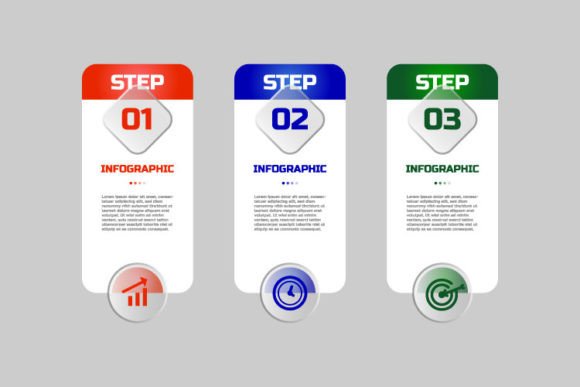
Infographic Data Element Design Vector for Graphic Templates
As a brand designer and content marketer, I’ve seen countless graphic design assets come and go. But the Infographic Data Element Design Vector stands out as a versatile tool that can elevate any marketing campaign. Whether you're working on print materials, digital ads, or social media graphics, this vector template offers a professional edge that’s hard to match.
First Impressions: Mood, Emotion, and Visual Tone
The Infographic Data Element Design Vector immediately conveys a sense of clarity and modernity. Its clean lines and structured layout create a mood that’s both professional and approachable. This makes it ideal for brands looking to communicate complex data in a simple, engaging way. The design feels right at home in lifestyle content, event promotions, and editorial graphics, but it also holds its own in commercial marketing materials.
One of the most striking aspects is how it balances creativity with functionality. It doesn’t overwhelm the viewer, yet it adds visual interest without being distracting. For small business branding, this asset can help establish a more polished look without sacrificing personality.
Real-World Marketing Applications
Imagine a small business launching a new product line. The Infographic Data Element Design Vector could be used to create eye-catching packaging inserts, social media posts, or even email banners. It’s also perfect for building a content kit that includes blog graphics, website headers, and Canva templates. With files like Ai, Eps, Png, Jpg, and Svg, it’s easy to adapt the design across different platforms and formats.
In a seasonal promotion, this asset can serve as a hero graphic for a Facebook ad or a Pinterest pin. It can also be incorporated into event flyers, merchandise, and stickers to maintain visual consistency across all touchpoints. For editorial design or lead magnets, it adds a layer of sophistication that helps build audience trust.
Supporting Marketing Goals
The Infographic Data Element Design Vector is more than just a pretty image—it’s a tool that supports key marketing objectives. It enhances the first impression of your campaign, ensuring that your message is not only seen but also understood. The clear visual hierarchy helps guide the viewer’s attention, making it easier to convey your brand’s message effectively.
Consistency is crucial in branding, and this asset helps reinforce that. Whether you’re designing a product label or a digital ad, using the same design elements across all channels strengthens brand recognition. It also improves the overall professionalism of your work, which can lead to better engagement and a stronger emotional connection with your audience.
Where It Shines: Campaigns That Need Attention
This design asset excels in scenarios where visual appeal is key. Hero graphics, campaign headers, and product launch visuals benefit from its structured yet creative layout. It’s also a great addition to branded templates, social media covers, and promotional banners. For content bundles or editorial layouts, it adds a cohesive look that elevates the entire package.
When used in packaging accents or decorative brand elements, the Infographic Data Element Design Vector can make your products stand out on the shelf. It’s also useful for printable designs, such as brochures or business cards, where a clean and modern aesthetic is essential.
Where to Use It Carefully
While the Infographic Data Element Design Vector is highly adaptable, there are situations where it may not be the best choice. In formal corporate branding, where minimalism is key, it might feel too busy. Similarly, in dense information layouts or small mobile graphics, it could become distracting rather than helpful.
For overly minimal brands or text-heavy ads, the design might compete with the main message instead of supporting it. Low-contrast backgrounds can also make it less effective, so it’s important to test it in different contexts before finalizing your design.
Practical Designer Notes
Before integrating the Infographic Data Element Design Vector into your campaign, test it with your brand’s color palette. Ensure that it works well in black and white and that it maintains readability at smaller sizes. Place it inside real campaign mockups to see how it interacts with other elements.
Preview it on mobile screens to check for responsiveness. Compare it against competitor visuals to ensure it stands out in the market. Test how it pairs with different font styles—serif, sans serif, script, handwritten, or display fonts—to find the best match for your brand voice.
Review spacing and balance to avoid clutter. And always confirm the commercial license before using it in paid campaigns, client work, or business branding. This ensures that you’re fully compliant and protected.
Why It Matters for Content Creators and Small Businesses
The Infographic Data Element Design Vector is a valuable addition to any creative marketplace. As a digital product, it offers flexibility and scalability for content marketers, bloggers, and small business owners. It’s a smart investment for anyone looking to enhance their visual storytelling or build a strong brand identity.
Whether you’re creating a design bundle, a Canva template, or a printable promotion, this asset provides the structure and style needed to make your work stand out. It supports modern design trends while remaining functional enough for a wide range of applications.
For those focused on content marketing, this design asset can help create more engaging and professional-looking visuals. It’s an excellent choice for web design, digital ads, and editorial projects where clarity and aesthetics matter.